November 2026

Understanding

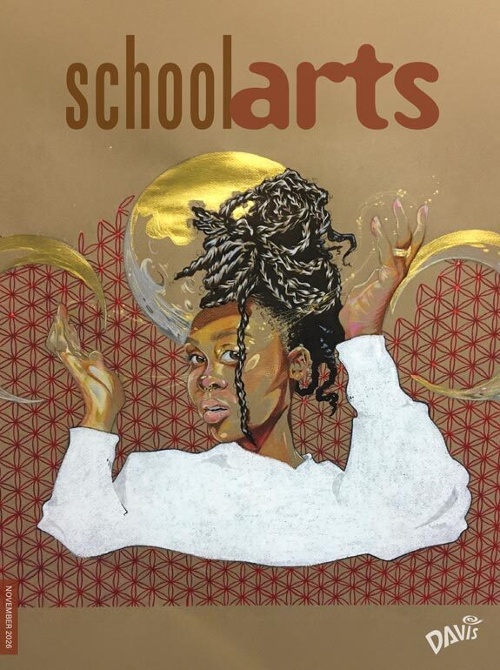
Art teachers demonstrate how vulnerability, observation, and active listening can help students understand themselves and others. Young students use creative learning strategies to make sense of everyday challenges; elementary students use storytelling to explore different perspectives; middle school students design dream rooms while considering the needs of their communities; and high school students bring individual postcards together in a mural promoting kindness.

View This Issue

Highlights From This Issue

Editor's Letter: Understanding
Editor's Letter

Editor's Letter: Understanding

I encourage my students to share their ideas, ask questions, and become observational learners. It is natural for them to want to learn more about who we are as people. The question becomes how much am I willing to share? How can I turn these stories and experiences into words of wisdom? In what ways can I connect on a deeper level? And how can I guide them to become better listeners, supporters, and advocates for their peers?

Read Article
Get Their Gears Turning: Implementing Creative Learning Strategies
Early Childhood

Get Their Gears Turning: Implementing Creative Learning Strategies

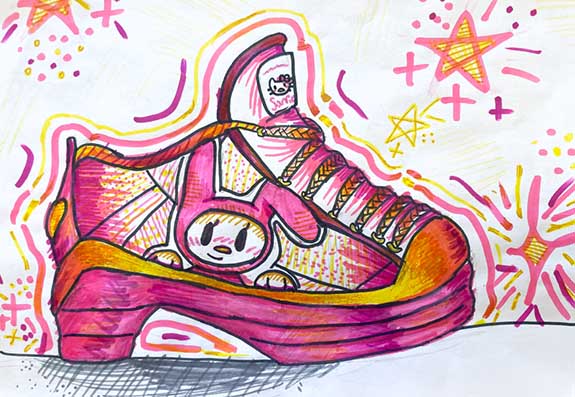
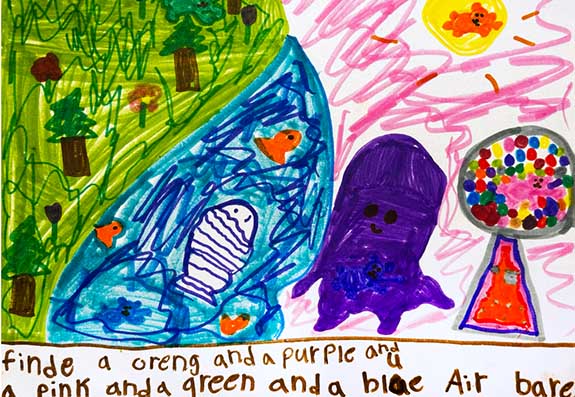
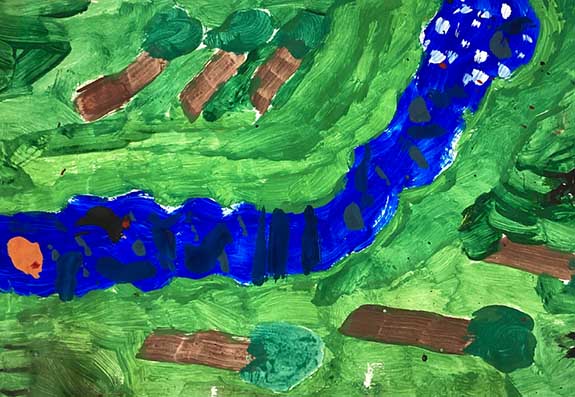
My overarching goal was for these children to be able to take inspiration from their own lives and to create personally meaningful works of art. This had worked well with my fifth graders, but wasn’t successful with my second graders. These students needed more context, more scaffolding, and tighter constraints to get their ideas flowing. We needed a structure that they could plug into. But what? Cue our school’s social and emotional development curriculum: Character Strong.

View this article in the digital magazine.

Bridging Life with Art: Exploring Understanding through Art-Making
Elementary

Bridging Life with Art: Exploring Understanding through Art-Making

Through discussions, I had students identify the “facts” they could see in Zimmerman’s paintings, then try to piece together the meaning. I shared Zimmerman’s story behind one of the paintings, and after learning about his life and just one of his stories, students were able to pick up on his symbols and decipher more of his work. Each time we viewed a new painting, I returned to Sam’s stories to ensure students knew what he was communicating.

Read Article
Future Animal Adaptations: Reimagining Survival
Elementary

Future Animal Adaptations: Reimagining Survival

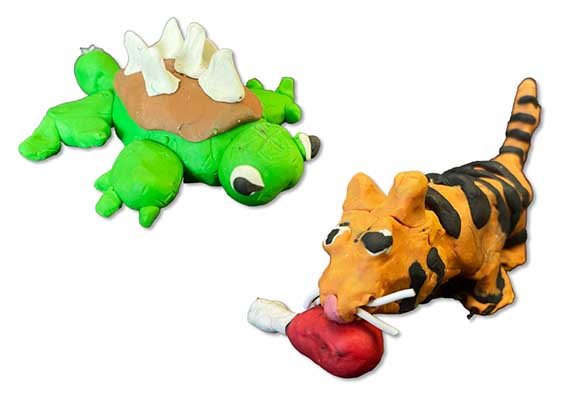
This project built on the work students did in class during their American Reading Company (ARC) unit on Animal Adaptations: the Informational Research Lab. In this unit, students researched one animal in depth to learn about behavioral, physical, and life cycle adaptations. Students also learned about threats their animal faces. This project built on that groundwork to imagine and design how animals might physically or behaviorally adapt in the future.

View this article in the digital magazine.

A New Point of View: Designing for Understanding
Middle School

A New Point of View: Designing for Understanding

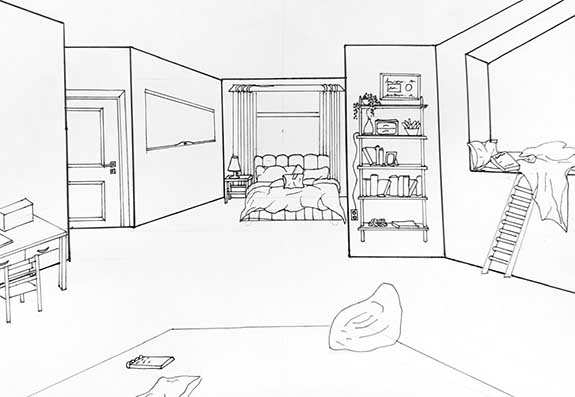
Once students were presented with the design restrictions, they ran with it. Walking around and speaking to them, students’ excitement was palpable. One student shared that she is autistic and wanted to design a room that would suit her personal needs. Another student shared that a family member uses a wheelchair and wanted to explore a room design that would allow that person to move freely in the space without restriction. It was evident in students’ final projects and design boards that they didn’t just learn a technical skill; they gained a deeper understanding of their community and those around them.

View this article in the digital magazine.

The Art of Seeing: Cultivating Self-Awareness, Empathy, and Belonging
Middle School

The Art of Seeing: Cultivating Self-Awareness, Empathy, and Belonging

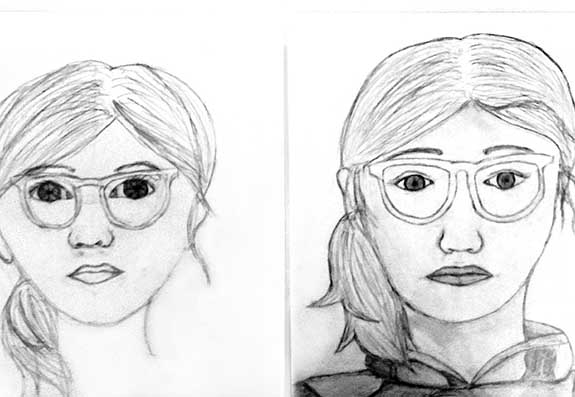
Middle-school students are still discovering who they are, and asking them to study their own reflection can make them feel incredibly vulnerable. Instead of beginning with demonstrations or expectations of perfection, I hand each student a mirror and ask them to simply draw what they see. Their first self-portrait isn’t graded or corrected. It’s an honest starting point.

View this article in the digital magazine.

Magical Portraits
High School

Magical Portraits

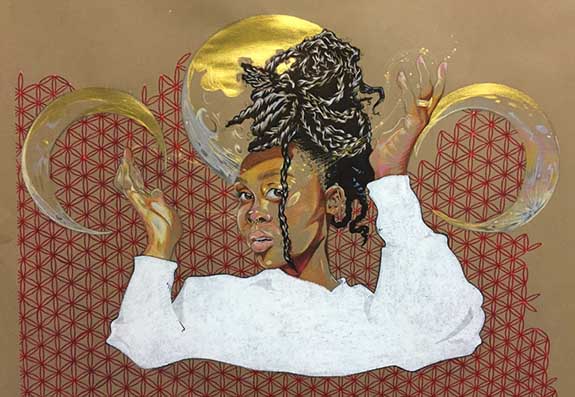
In 2018, after finishing the entire Harry Potter series, I had a lightbulb moment that reshaped the self-portrait project I had taught for years. That summer, I offered my students an analogy: art school was my own Hogwarts. My magic was art, and each department was a house. They connected instantly. “In a traditional high school,” I told them, “your friends are gifted in different subjects. But at art school, you finally feel a true sense of belonging because everyone shares the same magic—the gift of making art.”

View this article in the digital magazine.

Postcards for Positivity: Sharing Meaningful Messages
High School

Postcards for Positivity: Sharing Meaningful Messages

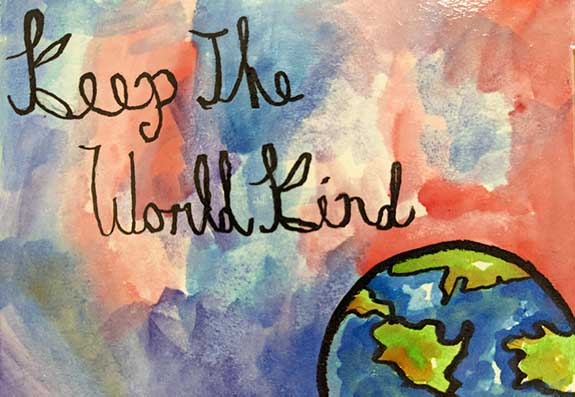
I wanted my students to create art for a good cause and promote kindness, politeness, and manners, since kindness and compassion can sometimes be overlooked. I introduced this lesson about using art as a tool for social advocacy to encourage love and concern for others. We talked about the simplest gestures of being kind and how smiling can positively affect someone’s day. Simply waving to someone and acknowledging them can brighten that person’s mood. We also talked about rights for everyone and bringing awareness to equality.

View this article in the digital magazine.

Five Tips for Preparing for Substitute Teachers
Point of View

Five Tips for Preparing for Substitute Teachers

Teachers are all too familiar with the stress that comes with writing substitute plans. This is often more work than our daily responsibilities. We must meticulously explain our schedules, routines, and lesson plans to someone who is unfamiliar with our classroom dynamics. We know how important it is that the materials are organized and readily accessible for our substitute. We do our best to preemptively address any potential issues that may occur. Here are five tips I hope will help you feel more prepared the next time you need a substitute teacher.

Read Article
Discovery, Transformation, and Healing: Works in Paper by Maya Freelon
Contemporary Art in Context

Discovery, Transformation, and Healing: Works in Paper by Maya Freelon

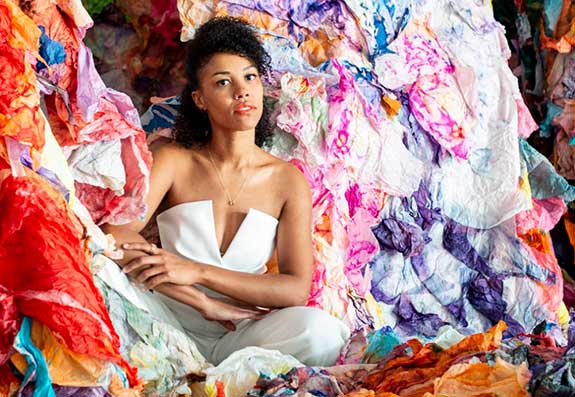
Freelon’s godmother and namesake, poet Maya Angelou (1928–2014), described her tissue paper artworks as metaphors of the human condition: delicate yet resilient. Tissue paper is non-toxic and easy to use and recycle. When she creates Tissue Quilts or Tissue Sculptures, she often collaborates with community members, in the spirit of traditional African American quilting bees. Freelon perceives her tissue paper art as a tribute to her grandmother, and the African American community’s history of never letting any available material resource go to waste.

View this article in the digital magazine.

Always Stay in the Loop

Want to know what’s new from Davis? Subscribe to our mailing list for periodic updates on new products, contests, free stuff, and great content.

Back to top