October 2026

Storytelling

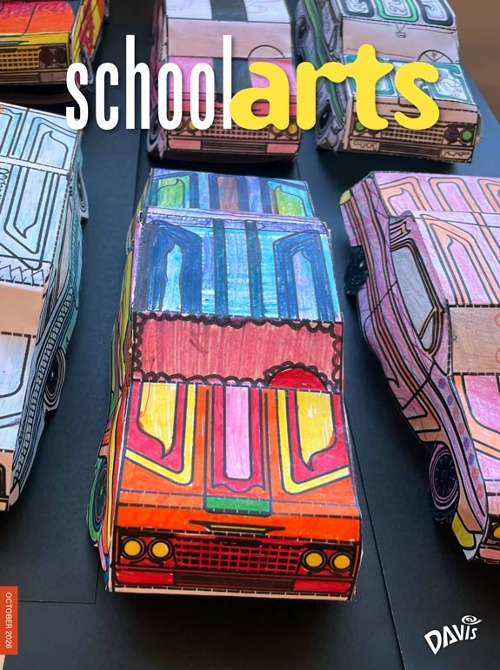
Art teachers use storytelling to build connections and deepen learning. Young students practice foundational art skills while drawing and painting a scene inspired by an Eric Carle classic; elementary students pull from ancient Egyptian hieroglyphs and contemporary art to create visual languages; middle school students navigate personal challenges through cartooning; and high school students celebrate their San Fernando community through personalized 3D lowrider cars.

View This Issue

Highlights From This Issue

Co-Editor's Letter: Storytelling
Editor's Letter

Co-Editor's Letter: Storytelling

You may not always realize the impact you have when you create space for students to tell their stories and share their ideas. Through storytelling, you are teaching art and empowering students to see themselves as artists with something meaningful to say. We hope the articles in this issue inspire you to continue cultivating those voices and exploring why storytelling in art truly matters.

Read Article
Stars, Moon, and Ladders: Inspiration from a Classic Children's Book
Early Childhood

Stars, Moon, and Ladders: Inspiration from a Classic Children's Book

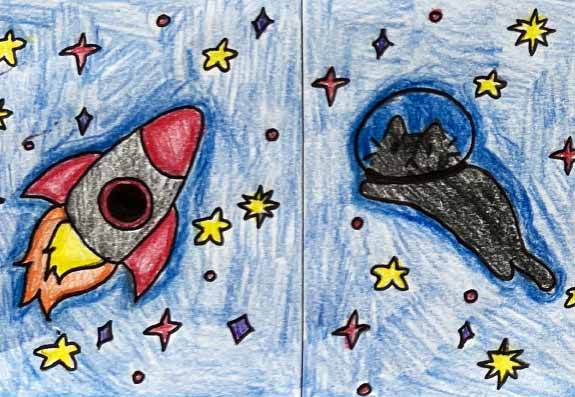
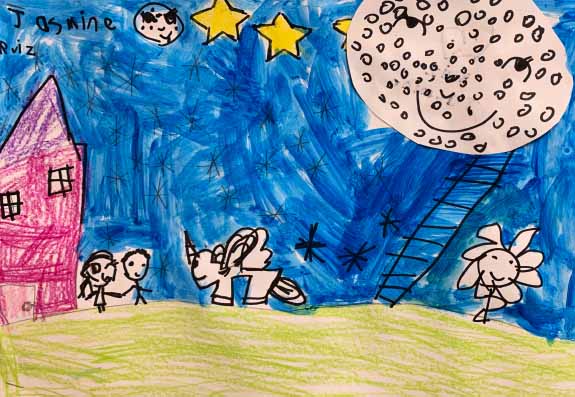
Kindergarten can be a scary idea for new teachers and for the beginning of the year. Students want to ask random questions; they want to shout out whatever comes to mind. They even once tried to convince me that my closet was a bathroom! It’s a whole new experience for them, and itʼs a wild ride the first few times they come to you. It can be a challenge to get students to learn the ways of the art room and begin learning the basics of art. This year, I decided to challenge myself and my new kindergartners with a drawing and painting lesson that is nothing short of stellar.

View this article in the digital magazine.

Rosetta Remix: Creating Your Own Hieroglyphic Language
Elementary

Rosetta Remix: Creating Your Own Hieroglyphic Language

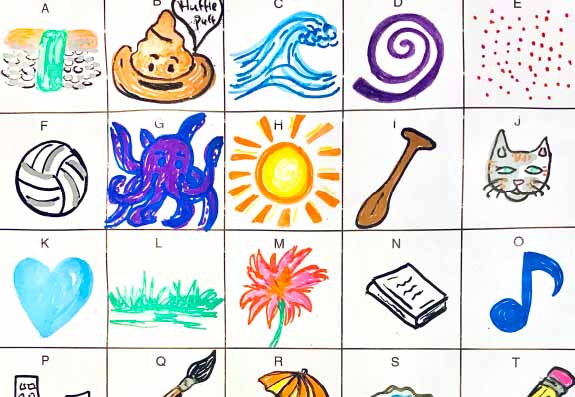
The Rosetta Remix allows anyone to find joy in writing, and itʼs nice not to hear groaning for once when you say, “Now write more!” Students begin to see language in a whole new light. Rather than simply mimicking ancient Egyptian hieroglyphs, they discover why hieroglyphs exist in the first place. By creating symbols rooted in their own lives and experiences, they tell stories in a deeply personal way.

View this article in the digital magazine.

When Students Realize Art Can Speak: Painting Endangered Species
Elementary

When Students Realize Art Can Speak: Painting Endangered Species

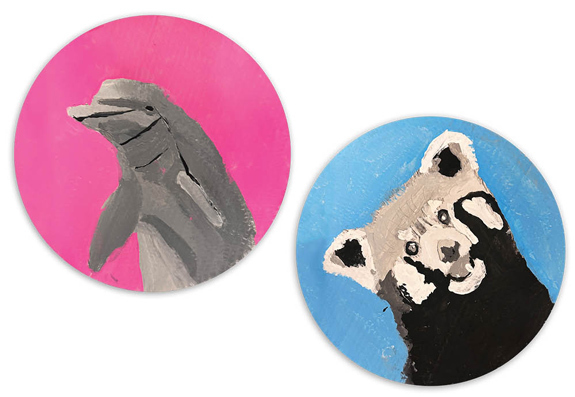
During a recent grayscale painting project with third- to fifth-grade students, we focused on endangered species, and it turned out to be a great mix of technical work and advocacy. I was inspired by Annie Monaghan’s monochrome animal lesson. Her structure is a great way to teach value, but I decided to push it a bit further into environmental awareness. I wanted students to think about why their animal choice mattered, not just how to paint it.

View this article in the digital magazine.

Four Ways Cartooning Sparks Storytelling
Middle School

Four Ways Cartooning Sparks Storytelling

I have yet to meet a student who doesn’t like to draw cartoons, because at its essence, cartooning is storytelling. Even if they have never created a cartoon, they have read comics and seen animations. Students who love drawing jump at the chance to show their prowess in a way that will entertain others, while beginners with less confidence are liberated by not having to draw realistically. But perhaps the greatest benefit of a cartooning project is the opportunity it provides to connect students with their struggles, their other school subjects, their own creativity, and their peers.

View this article in the digital magazine.

The Gift of Giving: From Perspective Drawings to Personal Gifts
Middle School

The Gift of Giving: From Perspective Drawings to Personal Gifts

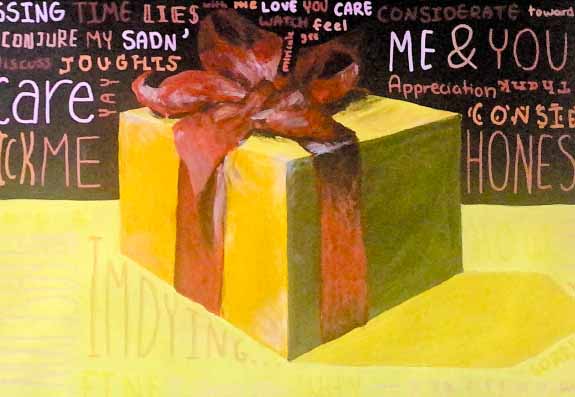
I ask students to think about how components of their writing can be incorporated into their painting. A few have reservations about “messing up” what they consider a successful painting; others see adding text as an opportunity to clean up parts of their paintings that they are unhappy with. The inclusion of text allows the cube paintings to express each student’s personality. One student incorporated the recipe for his favorite meal, prepared by his father, into his painting. Another chose to include text from a note that he wrote to himself offering advice. He included the words “Help,” “Mistake,” and “Talk” in his painting, which were reminders to reach out to ask for help when needed.

View this article in the digital magazine.

Chicano Lowrider Art: Cultural Identity and Artistic Expression
High School

Chicano Lowrider Art: Cultural Identity and Artistic Expression

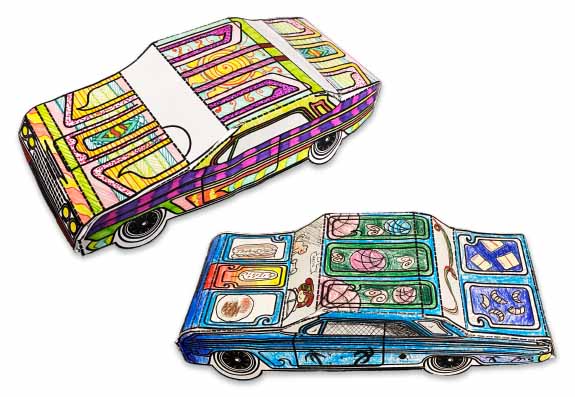
San Fernandoʼs deep love of Chicano culture is evident throughout the murals that fill the city, along with a deep appreciation for custom-painted lowrider cars, which symbolize Chicano pride, identity, culture, and heritage. This vibrant community inspired me when I collaborated with my mentor teacher, Jess Perry-Martin, on this lesson. Together, we considered how car culture shapes our community and how students could create personally meaningful art centered on their experiences and stories. By aligning this lesson with the values and traditions of the community, we invited students to showcase who they are and where they come from through visual storytelling.

Read Article
What Scares You? Phobia-Inspired Visual Storytelling
High School

What Scares You? Phobia-Inspired Visual Storytelling

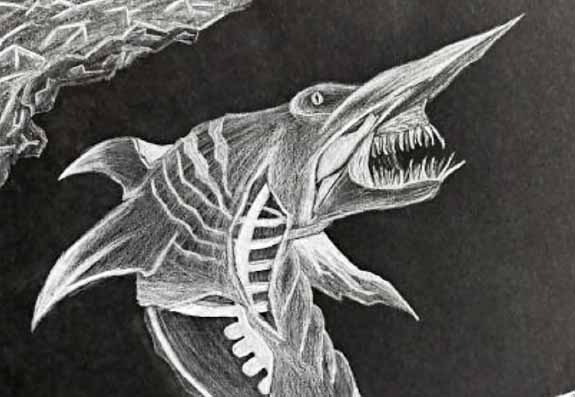
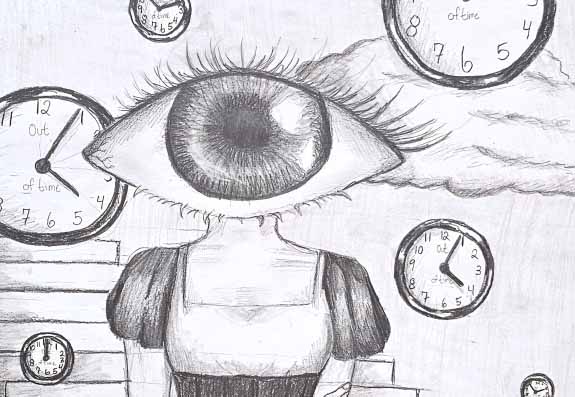
In my 2D art class, students in grades ten through twelve have the opportunity to expand on their artistic journey. While they learn more advanced creative techniques, they also begin to think more abstractly with their artwork. One way to get students thinking differently in the art room is to assign a project that allows them to creatively problem-solve and tell a story. This could be a fun alternative to a Halloween project during the month of October.

View this article in the digital magazine.

More Than Art: Helping Students Rewrite Their Personal Stories
Point of View

More Than Art: Helping Students Rewrite Their Personal Stories

Every student who enters the art room carries invisible stories. Some believe they are creative; others are convinced they have no artistic talent. Those stories often shape their willingness to take risks long before they pick up a pencil or paintbrush. Over the two decades I have been teaching art to middle- and high-school students, Iʼve heard many people tell me they are not artistic—from students and parents to colleagues and accomplished adults. This suggests to me that this is not about ability but about identity.

Read Article
Plastic Reimagined
Contemporary Art in Context

Plastic Reimagined

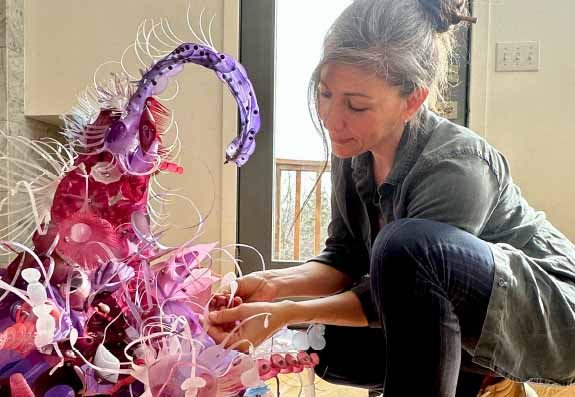
Aurora Robson’s body of work includes large-scale installations and sculptures made from discarded plastic debris. She initially used plastic due to its formal and structural qualities. When she learned about the environmental issues, she made it her main material with the intention of raising awareness about plastic waste. She enjoys the challenge of making new objects from a material that might otherwise be discarded. For Robson, art is a powerful educational form.

View this article in the digital magazine.

Always Stay in the Loop

Want to know what’s new from Davis? Subscribe to our mailing list for periodic updates on new products, contests, free stuff, and great content.

Back to top