September 2026

Connection

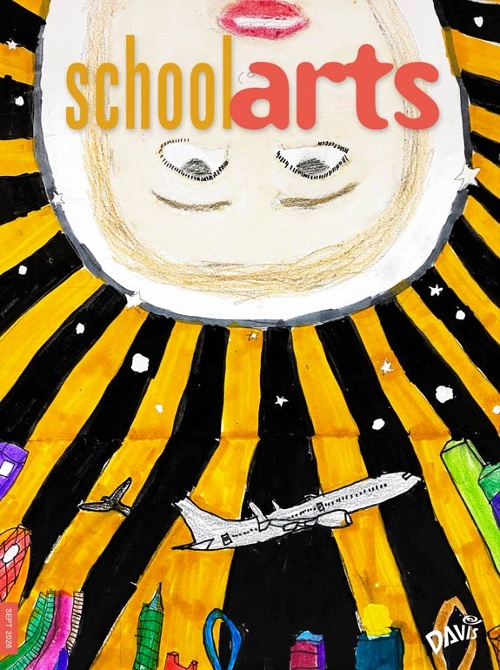
Art teachers get to know students while creating opportunities for connection and community. Early learners build foundational art-making skills as they share stories from their summer; elementary students put their own unique twist on famous artworks; middle-school students create artist trading cards in a project that grows into a schoolwide art-making experience; and high-school students sculpt clay vessels inspired by cherished family heirlooms.

View This Issue

Highlights From This Issue

Editor's Letter: Connection
Editor's Letter

Editor's Letter: Connection

It is important to find a way to connect on students’ level of interest, figure out how to integrate it into their art experience, keep them curious about the creative process, and get to know them on a personal level. At the beginning of the school year, what rituals do you use to get to know your students, their interests, and creative ideas?

Read Article
Making Primary Connections
Early Childhood

Making Primary Connections

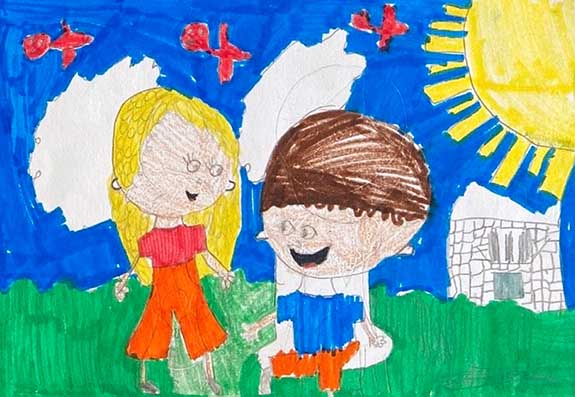
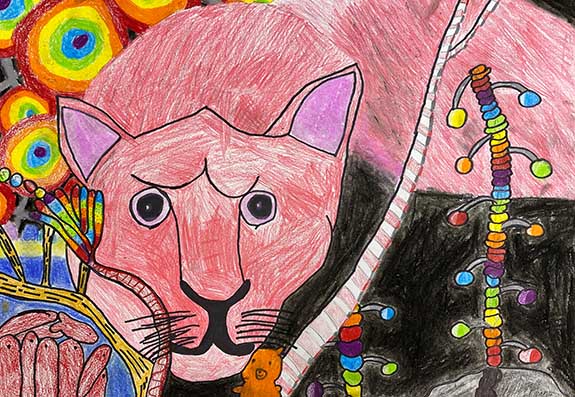
Building rapport with our students offers a valuable opportunity to begin the school year on a positive note. Teaching early learners makes this aspect especially easy because young children love to share; in fact, it’s a challenge to keep them from sharing! Rather than fight it, I spend the first ten minutes of each class letting students share and catch up, allowing them to explore whatever is on their minds—a playdate, a birthday, a trip, or a weekend event. Children offer details and bits and pieces of themselves through speaking, drawings, clothing choices, and even behavior.

View this article in the digital magazine.

Covering the Masters: Reimagining Iconic Works
Elementary

Covering the Masters: Reimagining Iconic Works

To begin the first lesson of the new school year, I showed my fifth graders how artists from Botero to Basquiat created their own versions of the Mona Lisa. We all had a good laugh at Dan Piraro’s take on American Gothic. Most importantly, we discussed how Kehinde Wiley reimagines iconic works of art for his own purposes. I told students that this would be their objective for the project: Adapt a master painting to communicate your own mood, feeling, theme, or idea.

View this article in the digital magazine.

3D Mini Museums: Reinterpreting Art through Materials and Form
Elementary

3D Mini Museums: Reinterpreting Art through Materials and Form

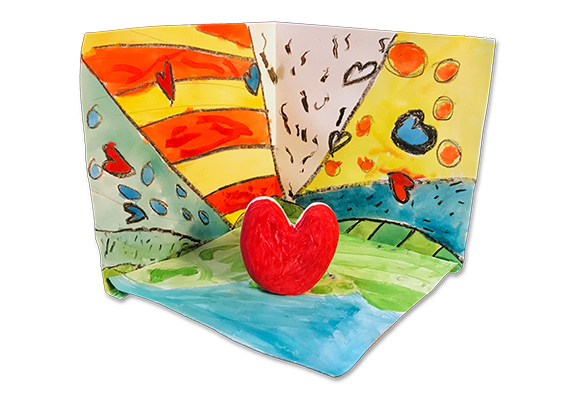
My fourth graders have spent a lot of time learning and exploring with different drawing and painting materials. I wanted to put this knowledge to the test while introducing them to famous artists and their work. This gave students the opportunity to see multiple artworks in one lesson while analyzing and interpreting the best medium to use for reproducing each piece. It also gave them the freedom to explore materials in ways that reflect their own artistic styles.

View this article in the digital magazine.

The Beat Goes On: Making Connections with Altered Albums
Middle School

The Beat Goes On: Making Connections with Altered Albums

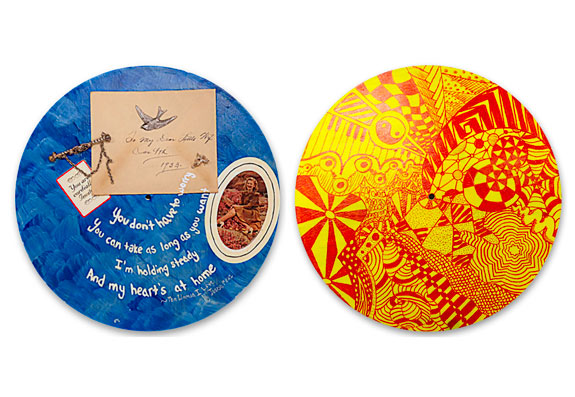
I was at a new school, and I needed to find a way to create lessons that related to my new students. I noticed that they were usually listening to music on their phones as they entered the classroom, so I asked a few students to write out a list of favorite songs from their playlists. After they got over the initial amazement that I would even care about their playlists, they gladly obliged.

View this article in the digital magazine.

Artist Trading Cards: From One-Day Lesson to Schoolwide Collaboration
Middle School

Artist Trading Cards: From One-Day Lesson to Schoolwide Collaboration

What started as a sub plan evolved into a successful schoolwide collaboration. I had a personal day approaching and decided the artist trading cards would be a fun activity for students to engage in without the pressure of a grade. When I returned the next day, I found out how excited students were by the idea of creating these mini masterpieces. They loved the small size because it was easy to complete, the open-ended format encouraged creative freedom, and there was no pressure of a grade hanging over their heads. The substitute even created her own set of cards.

Read Article
Family Heirloom Vessels: Sculptures Inspired by Cherished Memories
High School

Family Heirloom Vessels: Sculptures Inspired by Cherished Memories

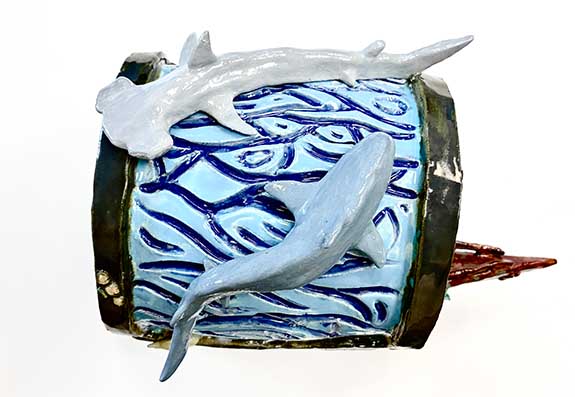
What do we cherish? That is the question I asked my high-school drawing class at the beginning of our new unit. I dreaded what I thought would be inevitable answers, such as money and video games. I was pleasantly surprised that I did not have to convince anyone in the class that there were plenty of things that are more important. Most of the items were sentimental and reminded students of family and friends.

View this article in the digital magazine.

Birthday Twins: Connecting Personal Art-Making to Art History
High School

Birthday Twins: Connecting Personal Art-Making to Art History

Having students make art inspired by something they all related to empowered them to express their individuality and creativity regardless of technical ability and prior experiences in art. Linking their birthdays to well-known artists engaged students in learning art history in an unexpected and meaningful way. Throughout this process, students learned about each other, and I got to know each of them better based on their individualized artistic interpretations and by learning their birthdays.

View this article in the digital magazine.

Welcome to the Art Studio: How Open Houses Cultivate Connections
Managing the Art Room

Welcome to the Art Studio: How Open Houses Cultivate Connections

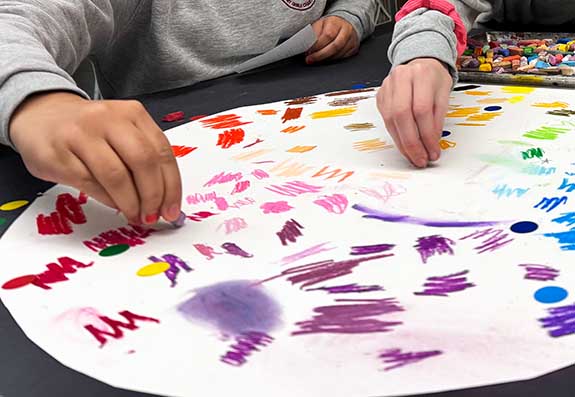
When planning art experiences with families and community members in mind, I try to cultivate moments for critical thinking, problem-solving, and meaningful discussion. Inspired by Reggio Emilia provocations, I present a concept that allows for exploration and dialogue. Instead of guiding families to simply paint a picture or make a craft, I might introduce an art concept such as color theory or texture exploration. Asking families, “What color is joy?” and offering large paper, oil pastels, soft pastels, and pencil crayons, all ages can experiment and reflect on how others have engaged with that wonder.

Read Article
Accumulated Constructions
Contemporary Art in Context

Accumulated Constructions

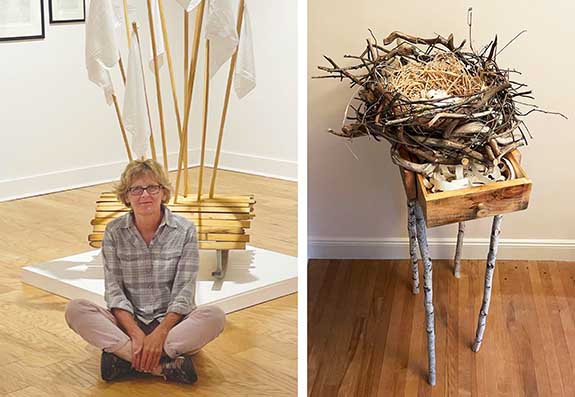
Whether Simmons displays a single artwork or creates an environment—both indoors and in nature—her work always invites contemplation of her sophisticated use of materials. Her process of accumulation involves materials she feels will provoke memories, summon certain feelings, or invite the viewer to imagine a narrative. She favors wood and employs all kinds, unifying her body of work.

View this article in the digital magazine.

Always Stay in the Loop

Want to know what’s new from Davis? Subscribe to our mailing list for periodic updates on new products, contests, free stuff, and great content.

Back to top