

January / February 2026

Media Arts

Art teachers integrate media arts to amplify student voice and foster connection. Young students build emotional literacy through stop-motion animations, elementary students use Adobe Express to create narrated stories expressing their perspectives on winter, middle-school art and STEM students collaborate on animated public service announcements, high-school Digital Design and Illustration students partner with Fashion Design students to develop custom garments, and more.

View This Issue

Highlights From This Issue

Editor's Letter: Media Arts
Editor's Letter

Editor's Letter: Media Arts

Media arts opens the door to endless creative possibilities and offers another way to engage students in learning while building conceptual and technical skills, adaptability to new technologies, visual communication, and storytelling.

Read Article

Co-Editor's Letter: Media Arts
Editor's Letter

Co-Editor's Letter: Media Arts

This SchoolArts issue features a wide variety of media arts projects representing early childhood through high school. Each author brings something new to the media arts equation, offering practical classroom ideas adaptable for different grade levels and settings. Whether students are designing digital characters, exploring stop-motion animation, or experimenting with AI-generated imagery, these projects encourage creativity and critical inquiry.

Read Article
Animated eMotional Robots
Early Childhood

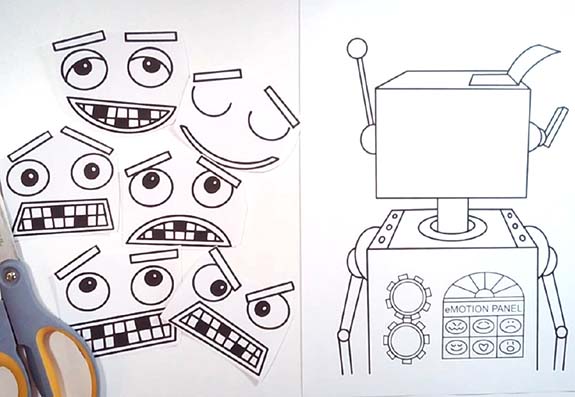
Animated eMotional Robots

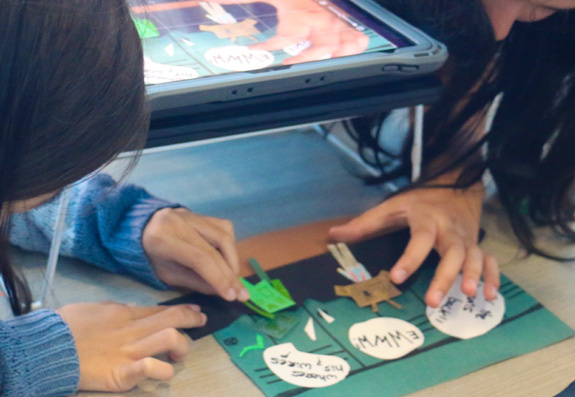
Students are pushing each other’s buttons all the time, creating stress, frustration, and other strong emotional reactions that sometimes lead to dysregulation and conflict. What if you could use this button-pushing behavior to create an engaging media arts activity that builds their skills in stop-motion animation, digital animation, identifying emotions, and artistic expression?

View this article in the digital magazine.

Animating the Seasons
Elementary

Animating the Seasons

When the curtain rose on Smithtown Elementary School’s Winter Art Show, the spotlight wasn’t just on paintings, drawings, and sculptures—it also illuminated the digital stage, where fourth and fifth-grade students created animated stories of their favorite and least favorite winter activities using Adobe Express’s AI-powered animation tool.

View this article in the digital magazine.

Painting with Pixels
Elementary

Painting with Pixels

For this project, students use Google Drawings to create a digital landscape showing foreground, middle ground, and background. They layer shapes, adjust color value, and use overlapping to show depth. I give students a few basic steps and a simple guided template, but most of what they learn comes from hands-on exploration of the program.

View this article in the digital magazine.

Positive Actions with Stop-Motion Animations
Middle School

Positive Actions with Stop-Motion Animations

Collaborative problem-solving is one of the most rewarding aspects of teaching in a visual arts classroom. However, this opportunity doesn’t just lend itself to one learning space. Just as it is important for students to work together, teachers should also be driven to find common ground in their curriculum. An easy place for me to start is working with the STEM teacher. During the first full week of school, we take advantage of an overlap in our curriculum by launching our first STEAM collaboration: Public Service Announcement (PSA) Animations.

View this article in the digital magazine.

Hidden Stories: Adventures in Photography
Middle School

Hidden Stories: Adventures in Photography

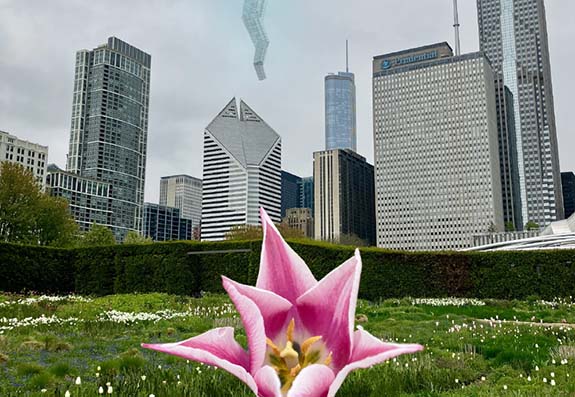
There are hidden stories in every school, neighborhood, and city. By teaching students to look closely, photography changes how they see the world. It makes ordinary locations like hallways, playgrounds, local parks, and city streets into places where they can be creative.

View this article in the digital magazine.

Design and Stitch
High School

Design and Stitch

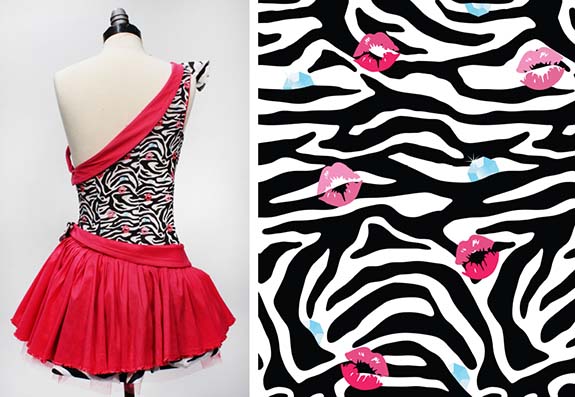
One of the most rewarding aspects of the project was how it mirrored the workflow of professional design studios. Students gained firsthand experience in creative communication, timeline management, and translating concepts across media. My Digital Design and Illustration students learned how their two-dimensional designs would later function on the body. The Fashion Design students explored the possibilities and limitations of custom-printed fabric.

Read Article
Designing in the Real World
High School

Designing in the Real World

My Creative Digital Design class explores many areas of design. In their graphic design unit, students develop drink labels as a way to create an item that has the potential to be manufactured in the real world. These are not designs that just sit in digital space; they can be used in product mockups or even printed and applied to a bottle or can, bringing students’ work to life.

View this article in the digital magazine.

Pixel Perfect
Contemporary Art in Context

Pixel Perfect

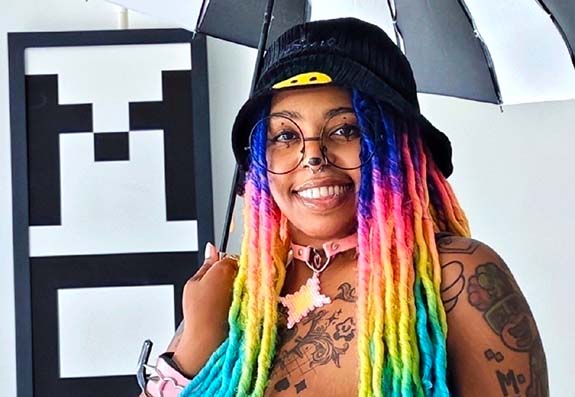
As the art form of video gaming has evolved, so too has the perception of video game designers as artists. Rooted in the long-standing belief that art can positively enhance society, multidisciplinary artist Momo Pixel emphasizes through her games that she wants to contribute to making the world better. A video game designer, art director, and advertiser, Momo is best known for her works centering on Black women. Her unique experiences and enthusiastic outlook have inspired a commitment to using games for good.

View this article in the digital magazine.

Always Stay in the Loop

Want to know what’s new from Davis? Subscribe to our mailing list for periodic updates on new products, contests, free stuff, and great content.

Back to top