March 2026

Contemporary Art

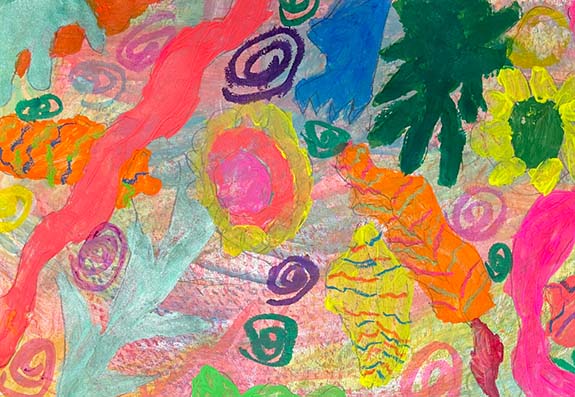
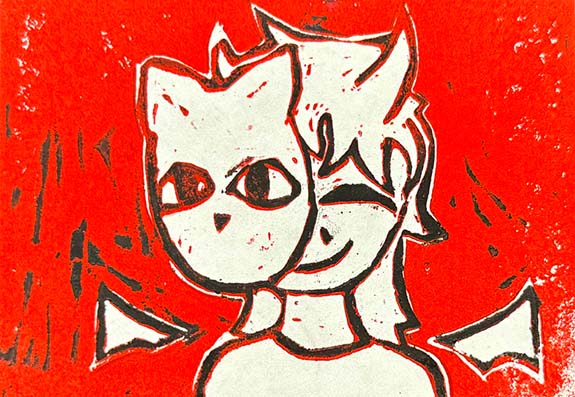
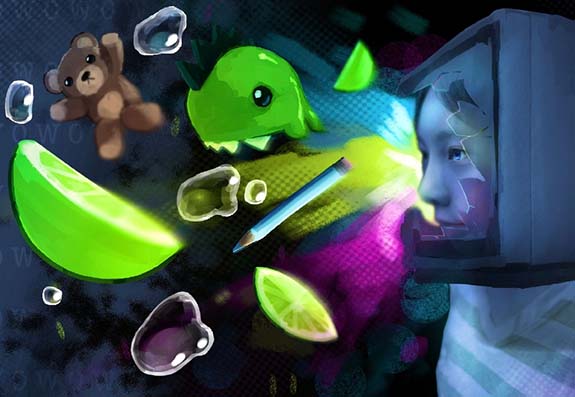
Art teachers integrate contemporary artists and themes into their curriculum, fostering collaboration, play, and imagination. Young students create a large-scale painting inspired by Mickalene Thomas, elementary students upcycle materials to build unique mini worlds in glass jars, middle-school students draw from personal experiences to create relief-printed interpretations of monsters, and high-school students transform traditional portraits into deconstructed compositions.

View This Issue

Highlights From This Issue

Editor's Letter: Contemporary Art
Editor's Letter

Editor's Letter: Contemporary Art

Embedding contemporary practices into our teaching, classroom culture, and curriculum opens the door to unlimited opportunities to engage our students in their learning, building relationships, and contributing to their communities. This provides a way to reflect, process, and act on what is meaningful and relevant to them.

Read Article
Even Bigger Than Us: Imaginative Portraiture Inspired by Mickalene Thomas
Early Childhood

Even Bigger Than Us: Imaginative Portraiture Inspired by Mickalene Thomas

I explained to students that we’d be making a collaborative painting inspired by the work of Mickalene Thomas, so we first needed to identify some themes. They were quick to determine that Thomas’s paintings feature strong women of color. Maybe they were even… princesses? By showing them some pictures of her work in situ, the scale and scope of her paintings became apparent as well. We were going to need a BIG canvas.

View this article in the digital magazine.

Reverse Realities
Elementary

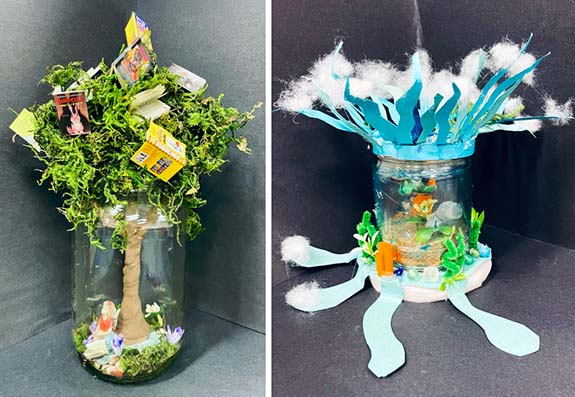
Reverse Realities

I love having students experiment with everyday items they can find in and outside the art room. Encouraging them to look at something and ask, “What can I turn this into? Can this be art?” invites problem-solving and creative thinking. I especially enjoy having students upcycle materials and give them new life. This all led to the Reverse Realities project, where students create their own reverse realities using a household jar.

Read Article
Inspired by Nature
Elementary

Inspired by Nature

On my most recent trip to Milwaukee, Wisconsin, I had the opportunity to visit Saint Kate — The Arts Hotel, where I saw the artwork of Melissa Scherrer Paré. Her exhibition, Natural Selection, featured silk paintings and three-dimensional vases made from paper pulp. The bright colors and organic shapes immediately caught my eye. The inclusion of these elements and various forms from nature was breathtaking. I was instantly inspired to create a lesson for my second graders, since one of their units focuses on nature.

View this article in the digital magazine.

What Is a Monster? Interpreting, Perceiving, & Making Meaning
Middle School

What Is a Monster? Interpreting, Perceiving, & Making Meaning

Students noticed that artists used different techniques to establish the presence of a monster. Mismatched bodies, distortion, animal characteristics, and emotional cues such as fear, despair, and beauty revealed how artists may have felt about monsters. With support, students made personal connections to themselves, the world around them, and to other artworks and stories. Themes such as duality, identity, belonging, and societal norms emerged through discussion. Using a variety of printmaking techniques, including monoprinting with acrylic sheets and relief printing with foam and lino, students explored how varied lines convey meaning.

View this article in the digital magazine.
Sweet Art: Wayne Thiebaud-Inspired Desserts
Middle School

Sweet Art: Wayne Thiebaud-Inspired Desserts

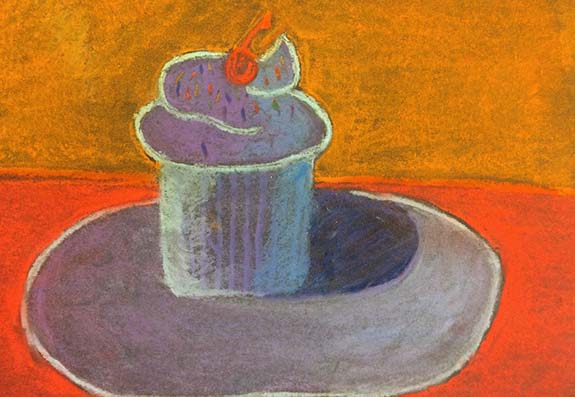
Who doesn’t like desserts? This is exactly why a still life including delicious delectables always catches the eye. Wayne Thiebaud was known as the dessert artist. He was an American artist who created numerous still-life paintings featuring ice cream, pies, cakes, tortes, and candy. After learning about Thiebaud and his career, students took a deeper look at his paintings, examining how he created the appearance of three-dimensional forms with cast shadows, highlights, and shading.

View this article in the digital magazine.
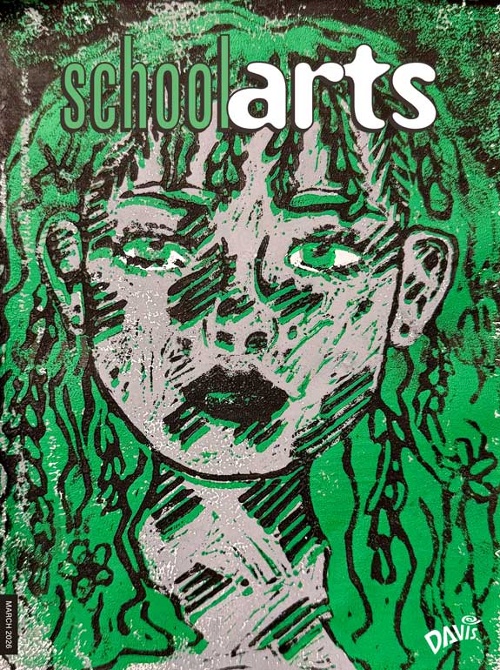
Deconstructed Digital Portraits
High School

Deconstructed Digital Portraits

Adolescence is a time when students are discovering who they are and what they want to become. Portraiture is a popular assignment that resonates with students and provides opportunities for them to represent themselves while developing technical skills. When portraiture is limited to historical canons, students miss opportunities to express their interests and experiment with different media. I wanted to create a lesson that incorporates contemporary art and supports students in exploring and communicating their ambitions and experiences using digital media.

View this article in the digital magazine.
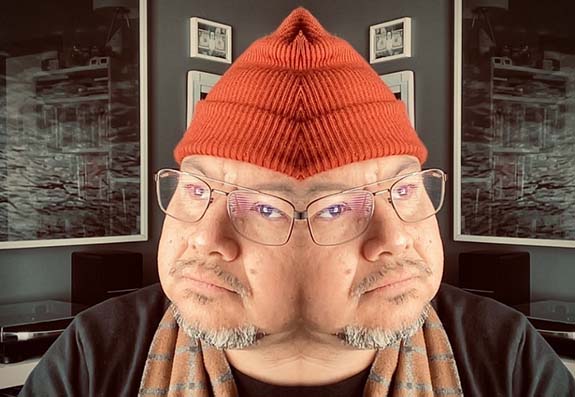
Navigating Nonobjective Art
High School

Navigating Nonobjective Art

This project might have been a bit intimidating for students at the beginning, but when they looked at the artwork of Annette Kearney and Hilary White, they were able to wrap their minds around what nonobjective art means and create interesting and unique pieces. They were able to connect to these artists because they are alive and actively working as artists.

View this article in the digital magazine.
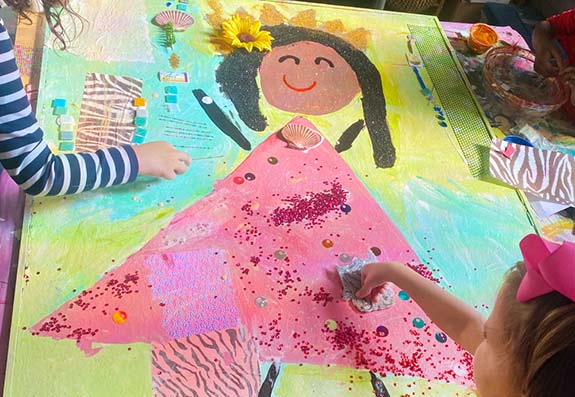
Buddy Crafts: Making Inclusion the Focus

Buddy Crafts: Making Inclusion the Focus

As an art teacher, I always seek to make my classes inclusive for students with disabilities through research, presentations, and conversations with other educators about best practices. Many of these conversations center around including students with disabilities in a curriculum designed for non-disabled students. I began to wonder: What if, instead of adapting a traditional art class for students with disabilities, we build one from the ground up for them—and then include their non-disabled peers?

Read Article
Layered Histories
Contemporary Art in Context

Layered Histories

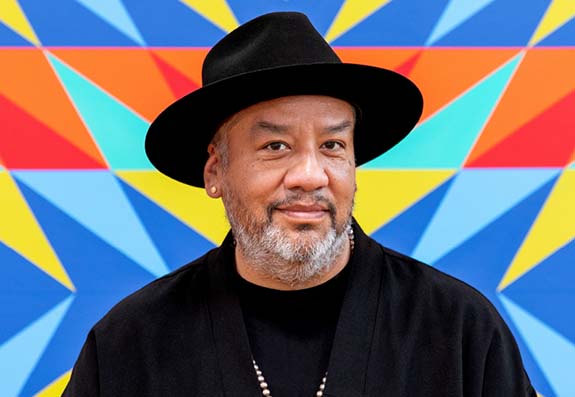
Contemporary art by Native artists in the United States has experienced an ongoing renaissance from the mid-1900s to the present. There has been a large-scale expansion of art forms and interpretations of Western conceptions of abstraction, and a variety of aesthetic approaches. Interdisciplinary artist Jeffrey Gibson’s work almost seems to exist outside of time. His rigorous engagement with Indigenous and Western cultural and aesthetic traditions, alongside contemporary popular culture, results in works that invite recognition and connection across audiences.

View this article in the digital magazine.
Always Stay in the Loop

Want to know what’s new from Davis? Subscribe to our mailing list for periodic updates on new products, contests, free stuff, and great content.

Back to top