December 2025

Mindfulness

Art teachers support students in slowing down, enjoying the creative process, and grounding themselves in the present. Young learners apply self- and social-awareness skills as they depict emotions through portraiture, elementary students explore watercolor techniques without the pressure of perfection, middle-school students create mixed-media landscapes that connect art with Indigenous botany, high-school students engage in the meditative practice of knitting, and more.

View This Issue

Highlights From This Issue

Editor's Letter: Mindfulness
Editor's Letter

Editor's Letter: Mindfulness

Mindfulness is essential to our well-being. Whether we are walking through nature, turning off our phones, making a creative mess in the studio, and trusting our hand to make a mark on paper, we find ways to become joyfully lost in our thoughts.

Read Article
Reading Faces
Early Childhood

Reading Faces

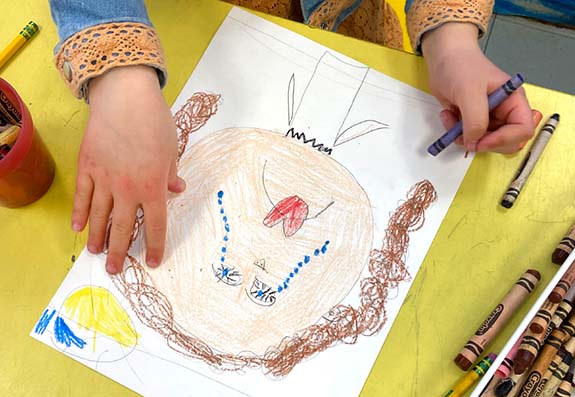
Teaching, to me, is all about connections—connections to students, to standards, to school initiatives, and to the community. Making meaningful connections for students ensures engagement and, hopefully, contributes to curiosity and learning for life. When my district adopted Leah Kuypersʼ The Zones of Regulation curriculum, which instructs students how to identify and regulate their emotions in order to be learning-ready, I knew it was a perfect platform to pair with a portrait lesson I was developing.

Read Article
The Art of Motif-Making
Elementary

The Art of Motif-Making

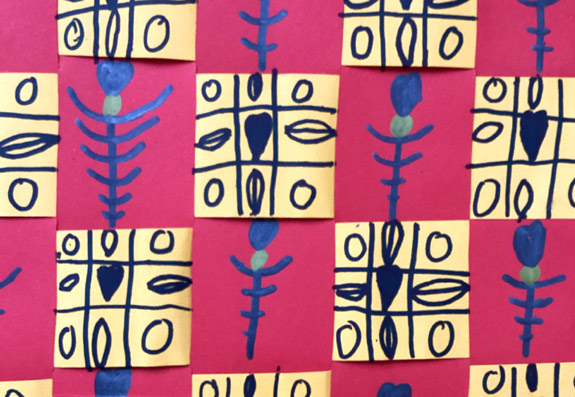
Motifs are an integral part of textiles. Growing up in India, I always marveled at the beautiful sarees with woven, embroidered, and printed motifs. The elephant signifies royalty and wealth, while the peacock symbolizes beauty and love. While pursuing textile design for my master’s degree, I had the opportunity to visit handweavers in Tamil Nadu and see firsthand how they created sarees with intricate motifs. My passion for motifs continues as I create and teach my third-grade students a lesson on motif-making each year.

View this article in the digital magazine.

Painting Like Pollock
Elementary

Painting Like Pollock

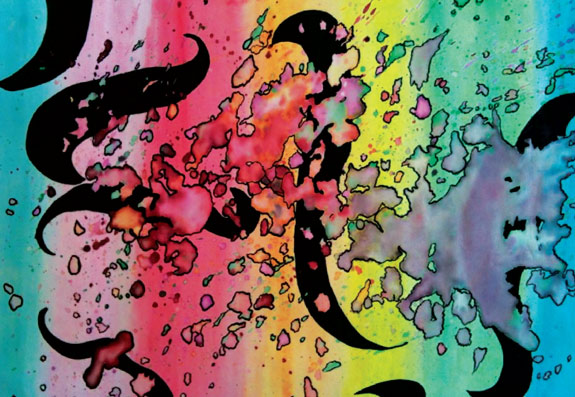
Watercolor painting is a perfect medium for teaching the color properties of hue, value, and intensity. By using some fun and experimental techniques, beginning art students can explore the basics of art without feeling a need for perfection. Students will learn all about how color, line, and movement can be manipulated into a very sophisticated abstract design, while loosening up and not feeling the need to create something that looks “real” or “perfect.”

View this article in the digital magazine.

Layered Landscapes: An Interdisciplinary Exploration
Middle School

Layered Landscapes: An Interdisciplinary Exploration

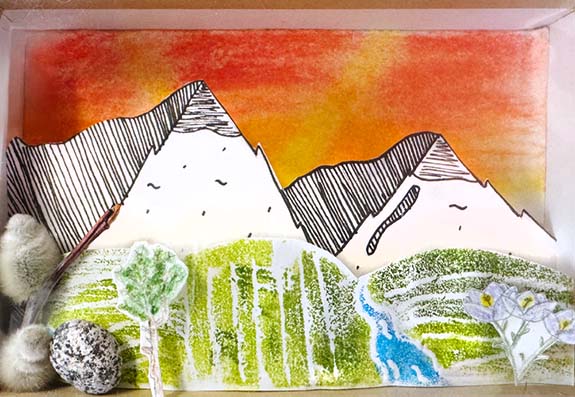
In this lesson, sixth-grade students make mixed-media landscapes to explore art concepts, scientific knowledge, and Indigenous botany in meaningful ways. The interdisciplinary approach deepens their understanding of environmental sciences, broadens their appreciation for diverse perspectives, and strengthens their creative and technical skills.

View this article in the digital magazine.

Textured Assemblages
Middle School

Textured Assemblages

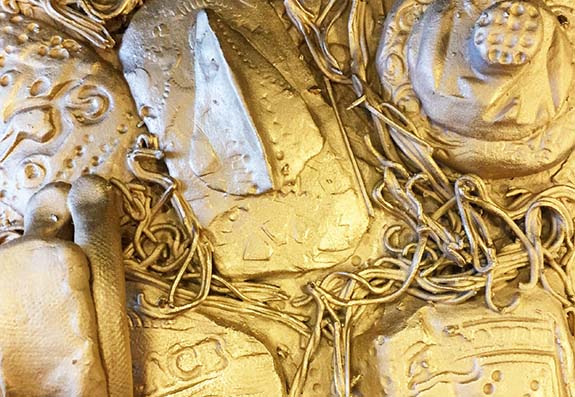
Learning about Louise Nevelson and creating their own personal designs added a much-needed layer to this assignment. And the rhythm of the process—rolling the clay, scoring, smoothing, etc.—gave students perfect moments of quiet focus.

View this article in the digital magazine.

Blind Contour: The Art of Seeing
High School

Blind Contour: The Art of Seeing

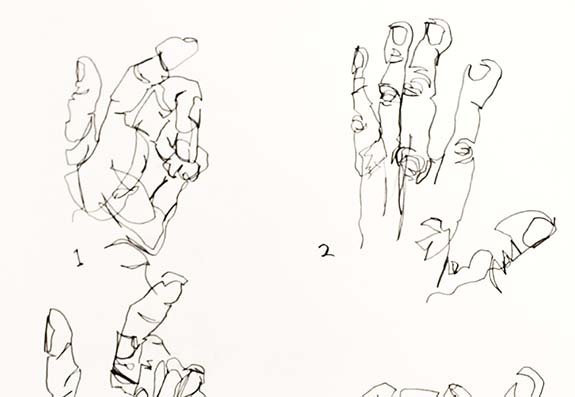
When it comes to making art, the symbols we collect in our heads can override what we see with our eyes. This can lead to frustration when learning how to draw. The synchronous method of hand-eye coordination may seem old-school, but slowing down the pace of the process to allow for more careful observation is beneficial to broader-based learning. Not only will students notice greater accuracy in their representation of subject matter, they will also develop concentration skills that are valuable in interdisciplinary learning.

View this article in the digital magazine.

Two Sticks and Some Yarn: Mindful Knitting in the Art Room
High School

Two Sticks and Some Yarn: Mindful Knitting in the Art Room

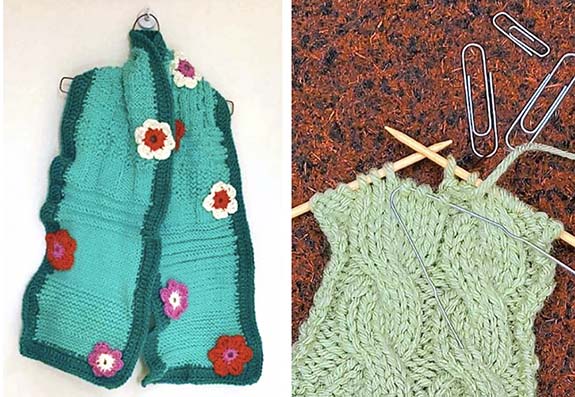
I know… knitting in a high-school art class? Seriously? Yes! Absolutely! The process promotes eye-hand coordination. The repetitive motions are meditative. It’s been proven to reduce stress, lower blood pressure, and even help with depression. One of my students said knitting was her “new happy time.” She replaced time on her phone with time knitting because she found such pleasure in it. Others told me that when they were stressed about an upcoming test, they would take a break from studying to knit, and it calmed them.

View this article in the digital magazine.

Earth Art Installations
The Mindful Studio

Earth Art Installations

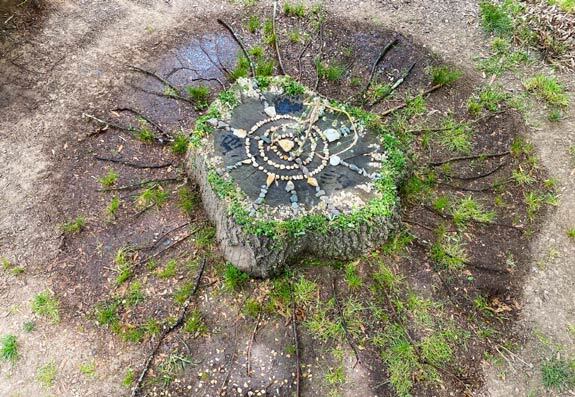
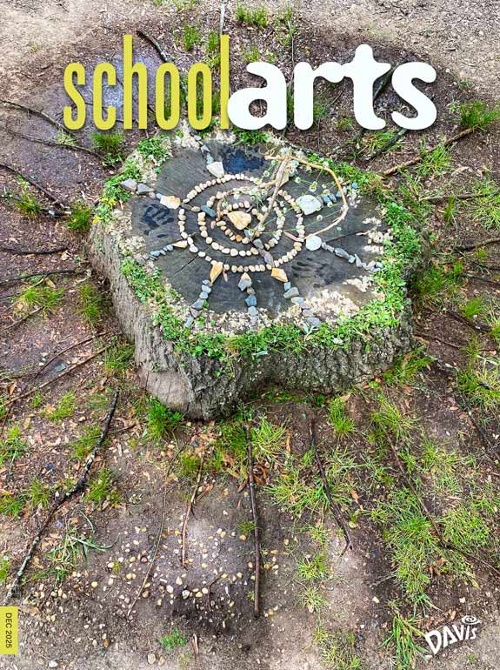
Working with nature is a lovely way for students to connect with the natural world. When mindfulness is included, students can use all their senses to cultivate experiential and creative learning.

Read Article

Always Stay in the Loop

Want to know what’s new from Davis? Subscribe to our mailing list for periodic updates on new products, contests, free stuff, and great content.

Back to top