



Always Stay in the Loop
Want to know what’s new from Davis? Subscribe to our mailing list for periodic updates on new products, contests, free stuff, and great content.

Your students can explore the complete library of stunning images, showcasing artwork created across time and from cultures around the world. Students can browse the entire collection, or you can direct them to explore specific Collections of images that you have created.
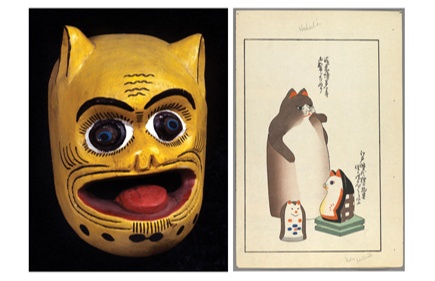
You can instantly compare and contrast any two images side-by-side for in-depth analysis and critique.
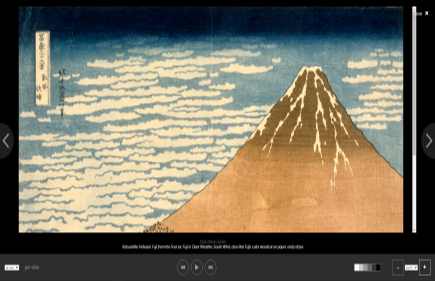
Use your image Collections to create instant online slide shows. Customize your presentation by arranging the images in the order you want. Enlarge the image size up to 300% to focus on specific areas and fine details of the art work.
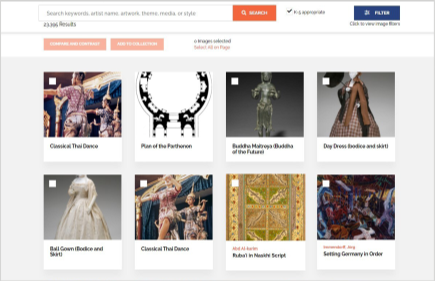
Search for images by artist, style, art form, culture, or Davis text-book series. Once you choose the images you need, create Collections and name them with your own keywords, such as a specific class or lesson, art concept, or textbook to easily find them whenever needed. Access your Collections right from the images homepage at any time.
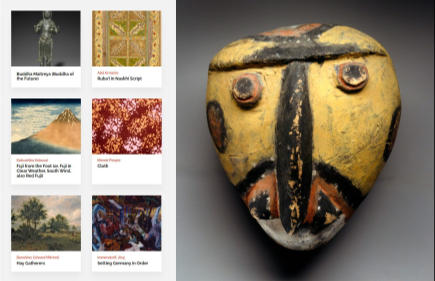
Our library of digital fine art images is included with your purchase of any eBook class set and as a standalone subscription. The library houses a stunning variety of art forms, showcasing artwork created across time and from cultures around the world. You can easily find images to extend each chapter and lesson in any Davis eBook. Each subscription includes unlimited accounts for all students and teachers within your school building. Learn more about the subscription.
Purchase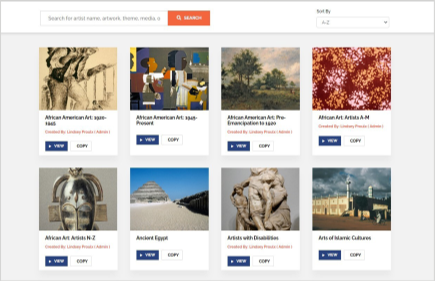
Davis Collections showcase the amazing artworks and artists found across the Davis Art Images Library. Explore collections correlated to our K-12 instructional materials and about topics such as AP Art History, Diverse Artists, Women Artists, and Contemporary Artists. New collections are continuously added.